sales@yhywiremesh.com
Whatsapp :+86 15027768227



In the fields of modern architecture and industry, steel grating plays an indispensable role as a vital construction material. Its unique structure and superior performance have earned it widespread application and recognition.
I. What is Steel Grating?
Steel grating is an open-grid steel component formed by orthogonally arranging load-bearing flat bars and crossbars at specific intervals and securing them via welding or press-locking. The load-bearing flat bars primarily support the weight, while the crossbars enhance the grating's overall stability and structural strength; together, they form a regular grid-like structure. Manufacturing processes are well-established, with machine pressure welding being the most common method. This involves using a high-pressure resistance welding machine where robotic arms automatically place crossbars across evenly spaced flat bars. High-power electric welding and hydraulic pressure are then applied to fuse the crossbars into the flat bars, resulting in high-quality grating with robust weld points and exceptional stability and strength.
II. Characteristics of Steel Grating
1. High Strength and Lightweight: Made from high-quality steel, steel grating offers high strength and rigidity, enabling it to withstand heavy loads while remaining lightweight. This facilitates transportation, reduces labor and material costs during installation, and lessens the overall load-bearing burden on buildings or facilities. For instance, in the construction of large steel-structure platforms, using steel grating can effectively reduce the structure's dead weight and enhance engineering safety.
2. Excellent Corrosion Resistance: Surfaces typically undergo treatments such as hot-dip galvanizing, cold galvanizing, painting, anti-rust oil coating, or plastic coating, with hot-dip galvanizing being the most common. Hot-dip galvanizing creates a zinc-iron alloy protective layer on the surface, effectively resisting corrosion from various chemicals and atmospheric conditions. Salt spray tests indicate a corrosion-resistant lifespan of over 30 years, making it particularly suitable for highly corrosive environments such as coastal areas and chemical plants.
3. Good Ventilation and Light Transmittance: The open grid structure ensures excellent ventilation and light transmission. When used in locations such as underground parking garages and sewage treatment plants, it effectively improves air circulation and reduces the accumulation of moisture and odors, while also making full use of natural light to save on lighting energy.
4. Excellent fire and explosion resistance: Being made of metal, steel grating offers superior fire and explosion resistance, complies with relevant safety standards, and is suitable for use in industrial plants, warehouses, and other buildings with strict fire and explosion safety requirements.
5. Superior slip resistance: The evenly distributed grid pattern creates a natural anti-slip texture, maintaining a high coefficient of friction even in challenging conditions involving water or oil spills, thereby preventing slips and falls. Specially designed serrated flat bars elevate the slip-resistance rating to R12 (per DIN 51130 standards), meeting the demands of extreme environments such as offshore drilling platforms.
6. Self-cleaning and easy maintenance: Its design prevents the accumulation of debris, rain, snow, and standing water, giving the grating strong self-cleaning capabilities; simple routine sweeping is all that is needed to keep it clean and tidy. Additionally, its robust, durable structure ensures low maintenance costs, reducing the labor, materials, and financial investment required for long-term upkeep.
III. Classification of Steel Grating
1. Classification by welding method:
- Pressure-welded: Load-bearing flat bars and crossbars are joined via resistance pressure welding; this is the most common method, offering strong weld points and high production efficiency.
- Interlocked/Embedded: Crossbars and load-bearing flat bars are joined using a special interlocking method that ensures a tight fit and enhances structural stability.
- Lock-inserted: Crossbars and load-bearing flat bars are secured together using locking connectors, making installation and disassembly relatively convenient.
- Insert-welded: Crossbars are inserted through the load-bearing flat bars and then welded, resulting in high joint strength.
2. Classification by the side profile of the load-bearing flat bar:
- Plain type: The most common type; features a flat, smooth surface suitable for general industrial and architectural applications.
- Serrated type: Features a serrated edge on the flat bar for superior slip resistance; commonly used in wet or slippery environments, such as offshore oil platforms and swimming pools. - I-beam type: Features high load-bearing capacity; suitable for heavy-duty applications requiring high strength.
3. Classification by application:
- General-purpose steel grating: Widely used for industrial platforms, walkways, trestles, etc., meeting standard load-bearing and pedestrian traffic requirements.
- Specialized steel grating: Examples include trench covers (used to cover trenches, preventing falls and debris entry while providing necessary load-bearing and drainage capabilities) and stair treads (used for steel staircases, requiring good slip resistance and comfort).
4. Classification by material:
- Carbon steel grating: Relatively low cost and high strength; offers good corrosion resistance after surface treatment and is the most widely used type.
- Stainless steel grating: Features excellent corrosion resistance, making it ideal for environments with stringent corrosion-resistance requirements—such as food processing, pharmaceutical manufacturing, and marine engineering—though it comes at a higher cost.
IV. Application Areas of Steel Grating
1. Industrial sector: Extensively used in industrial facilities—such as those for petrochemicals, power generation, metallurgy, and machinery manufacturing—for platforms, walkways, and stair treads. In petrochemical plants, where chemical exposure and harsh working conditions are common, hot-dip galvanized carbon steel or stainless steel grating ensures long-term stability, worker safety, and uninterrupted production.
2. Municipal engineering: Commonly found in urban road trench covers, municipal bridge walkways, and ventilation walkways in underground utility tunnels. Trench covers on urban roads effectively facilitate drainage while supporting vehicle and pedestrian loads, and their aesthetic design complements the urban landscape; steel grating in underground utility tunnels meets both ventilation and personnel access requirements.
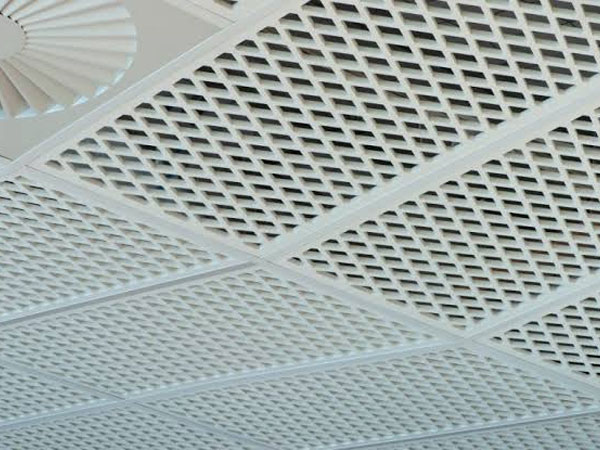
3. Architectural decoration: Used in ceilings, fencing, and other features of large commercial buildings, stadiums, and exhibition centers; steel grating adds a modern, artistic touch to architecture thanks to its unique appearance and excellent performance characteristics. For instance, the suspended ceilings in sports venues often utilize steel grating designs; these are not only lightweight and aesthetically pleasing but also capable of withstanding heavy-duty use. Furthermore, their hot-dip galvanized finish ensures corrosion resistance and durability, eliminating the need for painting or maintenance.
4. Transportation facilities: Steel grating is used for platforms, walkways, and staircases in locations such as highways, airports, and marine terminals. Airport boarding bridge platforms, for example, utilize steel grating to accommodate the movement of personnel and equipment while offering excellent slip and corrosion resistance—qualities essential for the demanding airport environment.
5. Other sectors: It is also suitable for use in wastewater treatment plants, waterworks, parking lots, and livestock farms. In wastewater treatment plants, steel grating installed in areas like screen chambers and operating platforms effectively protects equipment and personnel from the impact of sewage and corrosive gases. In parking lots, steel grating surfaces improve drainage, thereby reducing vehicle damage caused by standing water.
Thanks to its numerous advantages, steel grating demonstrates exceptional practicality and versatility across a wide range of fields. As technology advances and application demands grow, the types and performance characteristics of steel grating continue to evolve and improve, promising an even greater role in future applications.


Copyright ©
ANPING YING HANG YUAN METAL WIRE MESH CO., LTD. All Rights Reserved | Sitemap Technical Support: