sales@yhywiremesh.com
Whatsapp :+86 15027768227



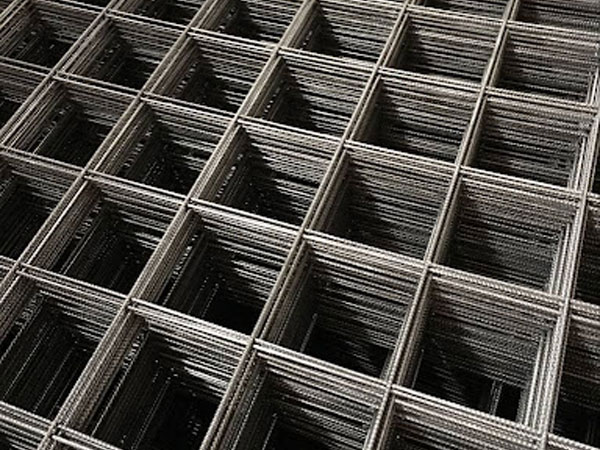
Reinforcing mesh, also known as welded wire reinforcement, is a mesh-like construction material produced by welding high-quality low-carbon steel bars at set intervals using automated equipment. Featuring a grid of perpendicular transverse and longitudinal bars with strong, secure weld points, it offers excellent structural integrity and is widely used in projects such as building construction, municipal roads, bridges, flooring, and slope protection.
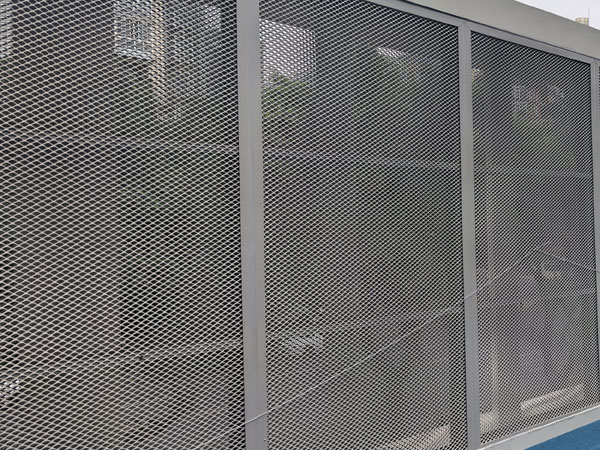
Those new to sourcing construction materials often struggle to distinguish between reinforcing mesh and ordinary wire mesh. The fundamental difference lies in the raw materials: reinforcing mesh utilizes hot-rolled ribbed or plain round steel bars, offering superior strength and load-bearing capacity—primarily serving to prevent concrete cracking and enhance structural stability—whereas ordinary wire mesh is made of softer material, is used mainly for safety barriers or fencing, and cannot withstand structural loads.
Reinforcing mesh specifications are typically categorized by wire diameter, mesh opening size, and panel dimensions. Common wire diameters range from 2mm to 12mm, while mesh openings often measure 50×50mm, 100×100mm, or 200×200mm; panel sizes can be customized to project requirements. When procuring materials, it is essential to align specifications with the load requirements outlined in the blueprints to avoid errors that could compromise construction quality.
Compared to manual on-site rebar tying, reinforcing mesh offers significant advantages during construction. Factory prefabrication ensures high dimensional accuracy and eliminates the need for manual tying of individual bars, drastically shortening construction schedules. Uniform, stable weld points minimize issues like missed ties or loose connections associated with manual work; this ensures more even stress distribution after concrete pouring and effectively inhibits the formation of shrinkage cracks on the concrete surface.
Reinforcing mesh is increasingly used across a wide range of applications, including floor slabs, roofs, and basement flooring in buildings; concrete road surfaces and parking lots in municipal projects; and slope protection and tunnel lining in water conservancy and infrastructure works. When purchasing, it is advisable to verify raw material quality and welding processes, review product inspection reports, and prioritize suppliers with proven, stable manufacturing capabilities. In summary, steel mesh is a vital reinforcement material for concrete structures; thanks to its ease of installation, structural integrity, and outstanding crack resistance, it has become a standard material in modern civil engineering. Accurately calculating quantities, specifying parameters, and conducting thorough on-site inspections during the preliminary project stages are essential to maximizing the material's structural reinforcement capabilities.
 Next:
None
Next:
None


Copyright ©
ANPING YING HANG YUAN METAL WIRE MESH CO., LTD. All Rights Reserved | Sitemap Technical Support: