sales@yhywiremesh.com
Whatsapp :+86 15027768227



In industrial plants, on municipal roads, at wastewater treatment facilities, and on steel structural platforms... you have surely seen this type of grid-like metal panel—unassuming, yet essential for the safety and functionality of countless engineering projects.
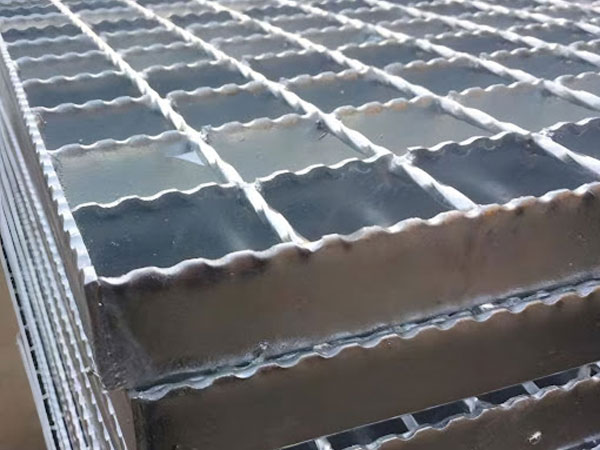
It is known as steel grating (or steel bar grating).
Many people have seen or used it without fully understanding its advantages or how to select the right type. This article explains everything you need to know.
I. What exactly is steel grating?
Simply put:
Steel grating = flat steel bars + twisted square bars, welded together at specific intervals to form a grid structure.
It is not a solid steel plate but an open-grid structure;
It reduces weight while maintaining high load-bearing capacity, and offers drainage, slip resistance, ventilation, and light transmission.
It is an "unassuming yet indispensable" building material in industrial and municipal engineering.
II. What are the common types of steel grating?
1. Pressure-welded steel grating
The most common and cost-effective type;
Suitable for platforms, walkways, trench covers, and stair treads.
2. Serrated steel grating
Features serrated flat bars for superior slip resistance;
Ideal for environments involving moisture, oil, slopes, rain, or snow.
3. Hot-dip galvanized steel grating
Surface treated with hot-dip galvanizing;
Rust-resistant and durable, withstanding outdoor conditions for over a decade without corroding.
4. Stainless steel grating
Corrosion-resistant, aesthetically pleasing, and easy to clean;
Often used in food processing plants, chemical plants, coastal areas, and high-end landscaping.
5. Composite steel grating
A combination of steel grating and a checker plate;
Provides a sealed, non-slip surface; suitable for areas requiring solid flooring.
III. Why is steel grating preferred in engineering projects?
1. High strength, low self-weight
Uses less material than solid steel plates yet offers robust load-bearing capacity.
2. No accumulation of water, snow, or oil
The open-grid structure significantly reduces safety hazards.
3. Slip-resistant, fall-resistant, and clog-resistant
The top choice for municipal trench covers and factory walkways.
4. Corrosion-resistant and long-lasting
Hot-dip galvanizing ensures it does not rust during long-term outdoor use. 5. Quick Installation & Easy Maintenance
Cutting, welding, and installation are convenient, and it requires virtually no maintenance thereafter.
6. Customizable
Dimensions, thickness, load-bearing capacity, and shape can all be tailored to specific requirements.
IV. Where are steel gratings used?
• Factory platforms, maintenance walkways, and equipment treads
• Municipal drainage trench covers and stormwater grates
• Wastewater treatment plants, power plants, solar (PV) farms, and chemical projects
• Steel staircases, trestles, and bridge walkways
• Parking lots, landscaping, fencing, and suspended ceilings
• Docks, ports, mines, and logistics parks
In short:
Wherever load-bearing, slip resistance, and drainage are required, you will likely find steel gratings.
V. Conclusion
Steel gratings may appear simple,
but they are an excellent engineering solution that balances safety, durability, and cost-effectiveness.
By selecting the right material, specifications, and surface treatment,
they can last for over a decade—saving you both money and hassle.
The next time you see this type of grid grating at a construction site, factory, or roadside,
you’ll know:
It is more than just a panel; it is a safety feature embedded in the details of the engineering project.
 Next:
None
Next:
None


Copyright ©
ANPING YING HANG YUAN METAL WIRE MESH CO., LTD. All Rights Reserved | Sitemap Technical Support: