[email protected]
Whatsapp :+86 15027768227



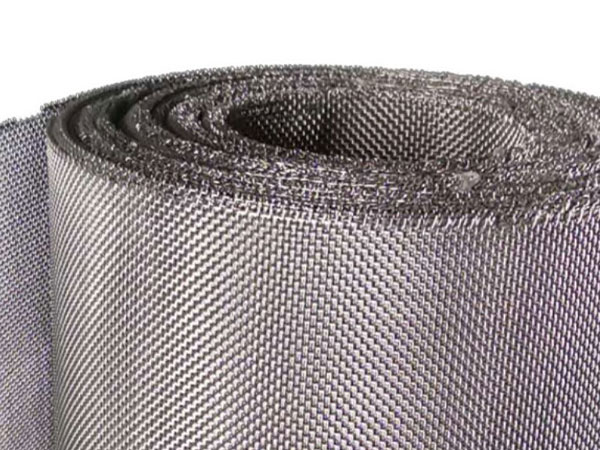
Due to its strong erosion resistance, gabion mesh is mechanically woven from high-corrosion-resistant, high-strength, and ductile low-carbon steel wire or PVC-coated steel wire. The box-shaped structure made from this mesh is called a gabion.
According to ASTM and EN standards, the diameter of the low-carbon steel wire used varies depending on the engineering design requirements, generally between 2.0-4.0 mm. The tensile strength of the gabion wire is not less than 38 kg/m², and the metal coating weight is generally higher than 245 g/m². The diameter of the edge wire of the gabion mesh is generally larger than the diameter of the mesh wire. The length of the double-twisted section must not be less than 50 mm to ensure that the metal and PVC coatings of the twisted wire are not damaged.
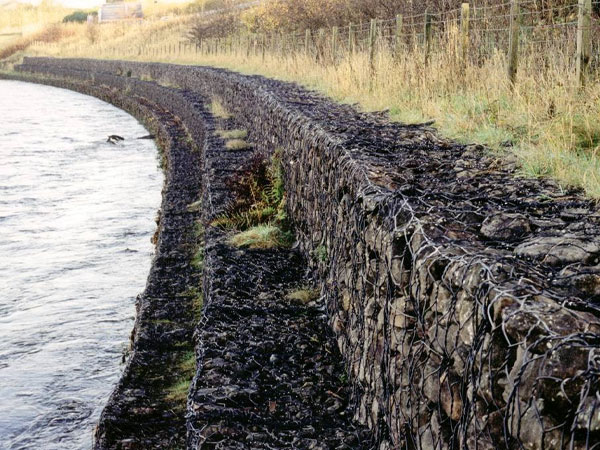
Gabion mesh can be used for slope protection, foundation pit support, rock face netting and shotcreting, slope vegetation (greening), and railway and highway isolation fencing. It can also be made into cages and mattresses for erosion protection of rivers, dams, and seawalls, as well as for reservoir and river diversion. The most serious disaster caused by rivers is the erosion of riverbanks by flowing water, leading to floods that cause massive loss of life and property and significant soil erosion. Therefore, the application of gabion ecological structures is one of the best solutions for addressing these problems, providing permanent protection for riverbeds and banks.
Advantages of gabion ecological structures:
First, the flexible structure can adapt to slope changes without being damaged, offering better safety and stability than rigid structures.
Second, it has strong erosion resistance, able to withstand water flow velocities up to 6 m/s.
Third, this structure is inherently permeable, possessing strong tolerance for the natural action and filtration of groundwater. Suspended solids and silt in the water can settle in the gaps between the stones, thus promoting the growth of natural vegetation and gradually restoring the original ecological environment.
Furthermore, gabions are mesh structures made of iron or polymer wire used to fix the stones in place.
Wire cages are structures made of woven or welded wire mesh. Both types of structures can be electroplated, and woven wire cages can be additionally coated with PVC. Gabion mesh is made of hard, weather-resistant stones as filling material. It does not break quickly due to abrasion when placed in gabion boxes or gabion beds. Gabions filled with different types of stones have different characteristics. Angular stones can interlock well with each other, making gabions filled with them less prone to deformation.
 Next:
None
Next:
None


Copyright ©
ANPING YING HANG YUAN METAL WIRE MESH CO., LTD. All Rights Reserved | Sitemap Technical Support: