[email protected]
Whatsapp :+86 15027768227



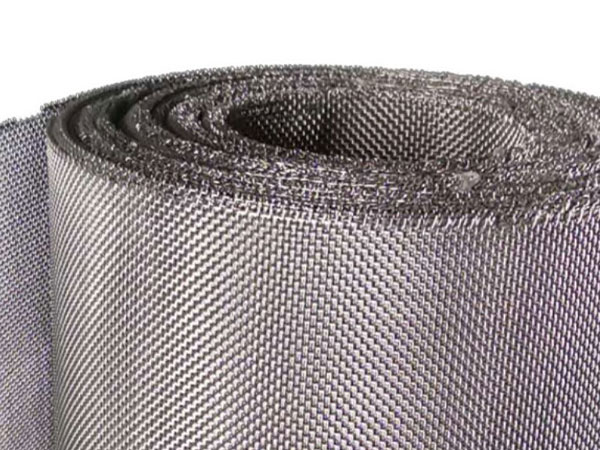
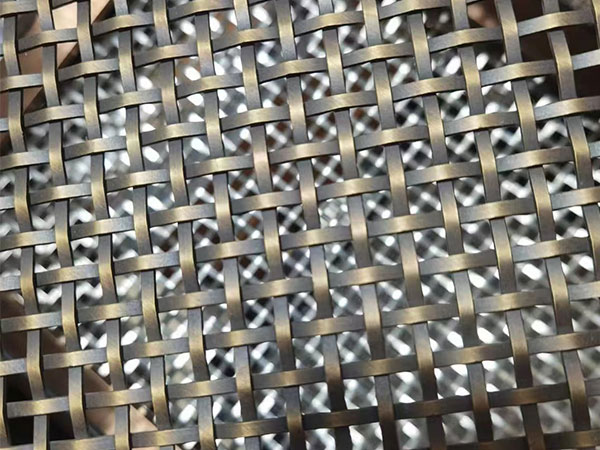
I. Stainless steel wire mesh is a filtration, separation, and protective material made of stainless steel wire through weaving or welding processes. It features corrosion resistance, high temperature resistance, high strength, and long service life. With advancements in industrial technology and increasing environmental protection requirements, the application range of stainless steel wire mesh is constantly expanding, making it an indispensable basic material in modern industry and daily life.
II. Core Characteristics of Stainless Steel Wire Mesh
* Corrosion Resistance: Stainless steel materials (such as 304 and 316L) perform excellently in corrosive environments such as acids, alkalis, and salts, making them suitable for harsh conditions such as chemical and marine applications.
High Temperature Resistance: It can withstand a temperature range of -270℃ to 600℃, meeting high-temperature filtration requirements.
High Strength and Wear Resistance: The woven structure or welding process gives the wire mesh high mechanical strength, making it suitable for high-load applications.
Easy Cleaning and Hygiene: The smooth surface does not easily breed bacteria, meeting the hygiene standards of the food and pharmaceutical industries.
Customization: Aperture, wire diameter, and shape can be customized to meet different filtration precision requirements.
III. Analysis of Main Application Scenarios
1. Industrial Production Sector
(1) Chemical and Petroleum Industry
Application Scenarios: Gas/liquid filtration, catalyst carrier, oil-water separation, dust recovery.
Technical Advantages: Resistant to acid and alkali corrosion, capable of filtering highly corrosive media, extending equipment life.
Case Study: In petroleum refining, stainless steel screens are used to separate catalyst particles, improving product purity.
(2) Mining and Metallurgical Industry
Application Scenarios: Ore screening, tailings treatment, metal powder classification.
Technical Advantages: High strength and wear resistance, adaptable to high-load screening operations, reducing downtime maintenance.
Case Study: In copper ore beneficiation, stainless steel screens are used to classify coarse and fine ore particles, improving beneficiation efficiency.
(3) Power and Energy Industry
Application Scenarios: Boiler coal filtration, flue gas desulfurization, water treatment.
Technical Advantages: High temperature resistance, anti-scaling, ensuring stable system operation.
Case Study: In coal-fired power plants, stainless steel screens are used to filter coal powder, preventing pipeline blockage. 2. Food and Beverage Industry
(1) Food Processing
Application Scenarios: Flour sieving, juice filtration, dairy product separation, tea grading.
Technical Advantages: Meets food-grade standards (e.g., FDA certification), non-toxic and odorless, easy to clean.
Case Study: In beer production, stainless steel screens are used to filter wort, improving the purity of the taste.
(2) Beverage Packaging
Application Scenarios: Bottled water filtration, carbonated beverage sterilization, alcohol clarification.
Technical Advantages: Resistant to high-pressure sterilization, ensuring product safety.
Case Study: In mineral water production lines, stainless steel screens are used to remove impurities from the water, ensuring water quality meets standards.
3. Pharmaceutical and Bioengineering Field
(1) Pharmaceutical Industry
Application Scenarios: Liquid filtration, sterile air purification, powder packaging.
Technical Advantages: Resistant to high-temperature sterilization, meets GMP standards, preventing cross-contamination.
Case Study: In antibiotic production, stainless steel screens are used to filter fermentation broth, improving product purity.
(2) Biological Laboratories
Application Scenarios: Cell culture, sample separation, microbial filtration. **Technical Advantages:** Precise aperture control ensures experimental accuracy.
Example: In DNA extraction, stainless steel microporous sieves are used to separate cell debris, improving extraction efficiency.
4. Environmental Protection and Water Treatment
(1) Wastewater Treatment
Application Scenarios: Solid-liquid separation, sludge dewatering, oil-water separation.
Technical Advantages: Corrosion resistant, anti-clogging, extending equipment lifespan.
Example: In industrial wastewater treatment, stainless steel sieves are used for pretreatment to remove large suspended particles.
(2) Air Purification
Application Scenarios: Industrial exhaust gas filtration, dust recovery, air conditioning system purification.
Technical Advantages: Highly efficient interception of particulate matter, reducing emission concentration.
Example: In steel plant flue gas treatment, stainless steel sieves are used in dust removal systems to reduce PM2.5 emissions.
5. Daily Life and Construction
(1) Household Goods
Application Scenarios: Kitchen filters, coffee machine filters, washing machine drain screens.
Technical Advantages: Safe and durable, improving quality of life. Case Study: In high-end coffee machines, stainless steel filters are used to extract coffee powder, preserving its original flavor.
(2) Architectural Decoration
Application Scenarios: Curtain wall protection, balcony railings, stair handrails.
Technical Advantages: Beautiful and durable, resistant to wind and rain erosion.
Case Study: In modern buildings, stainless steel screens are used for curtain wall decoration, combining safety and artistry.
IV. Market Demand and Development Trends
Increased Demand for High-End Products: With the increasing hygiene standards in industries such as pharmaceuticals and food, the demand for high-precision, corrosion-resistant stainless steel screens is increasing.
Environmental Policy Driven: Increased performance requirements for screens in areas such as wastewater treatment and air purification are driving technological upgrades.
Intelligent Applications: Combining sensor technology enables real-time monitoring and automatic replacement of screen status, improving production efficiency.
New Material Development: New technologies such as nano-coatings and composite materials enhance screen performance and expand application boundaries.
V. Conclusion
Stainless steel screens, with their superior performance and wide adaptability, have become a key material in industrial production, food processing, pharmaceutical manufacturing, environmental governance, and daily life. In the future, with technological advancements and evolving market demands, stainless steel screens will develop towards higher precision, greater intelligence, and environmental friendliness, providing more efficient solutions for various industries.
 Previous:
Uses of crimped decorative mesh
Previous:
Uses of crimped decorative mesh
 Next:
None
Next:
None


Copyright ©
ANPING YING HANG YUAN METAL WIRE MESH CO., LTD. All Rights Reserved | Sitemap Technical Support: