sales@yhywiremesh.com
Whatsapp :+86 15027768227



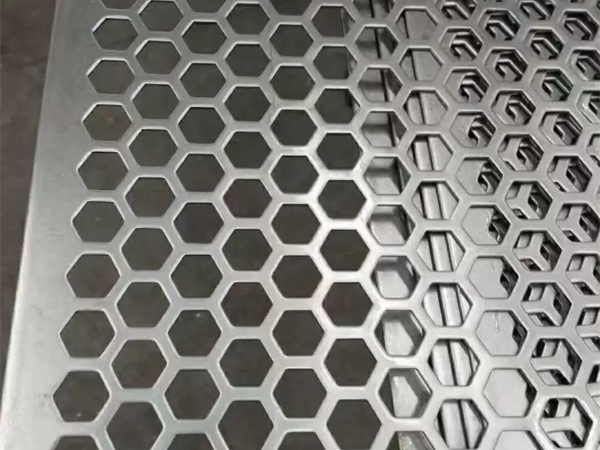
Perforated mesh is a common industrial material with a wide range of applications, spanning sectors from construction and decoration to machinery and electronics. Its performance and characteristics depend largely on the material used and the arrangement of the perforations. This article explores the various materials and perforation patterns associated with perforated mesh.
I. Materials for Perforated Mesh
Perforated mesh is made from a diverse range of materials. Common options include metals such as stainless steel, aluminum alloy, copper, galvanized steel, and titanium, as well as non-metallic materials like plastic and rubber. Each material possesses unique properties suited to specific applications.
1. Metallic Materials
Metal perforated mesh is characterized by high strength, wear resistance, and corrosion resistance, making it widely used in industrial settings. Stainless steel perforated mesh stands out for its exceptional corrosion resistance, allowing it to maintain performance in harsh environments involving moisture, acids, or alkalis. Aluminum alloy perforated mesh offers advantages such as light weight, aesthetic appeal, and ease of processing, making it a popular choice for architectural decoration and electronic products.
2. Non-metallic Materials
Non-metallic perforated mesh is primarily made from materials like plastic and rubber, offering benefits such as light weight, ease of processing, and low cost. Plastic perforated mesh is frequently used in packaging and filtration, while rubber perforated mesh—valued for its elasticity and wear resistance—is commonly employed for shock absorption and sealing applications.
II. Perforation Patterns
The arrangement of perforations is another critical factor influencing the performance of the mesh. Different patterns cater to specific operational needs; common perforation arrangements include:
1. Straight-line Arrangement
In this pattern, the perforations are aligned in straight rows. This configuration provides good air permeability and filtration capabilities, making it suitable for applications involving ventilation, dust removal, and filtration.
2. Staggered Arrangement
In this pattern, the perforations are arranged in a staggered (offset) layout. This configuration enhances the mesh's strength and stability, providing superior load-bearing capacity and impact resistance, which makes it ideal for use in construction and decoration. 3. Array Pattern
In array-pattern perforated metal, the holes are arranged according to a specific pattern, such as a rectangular or triangular array. This arrangement enhances the structural stability and aesthetic appeal of the material, making it commonly used in sectors such as electronics, telecommunications, and aerospace.
4. Custom Pattern
Custom-pattern perforated metal features hole arrangements designed specifically to meet a user's unique requirements. This approach fully accommodates individual needs, ensuring optimal performance in specific applications.
III. Conclusion
The material and hole arrangement of perforated metal are key factors influencing its performance and application. Different materials and patterns cater to diverse needs, allowing the material to leverage its unique advantages across various fields. When selecting perforated metal, it is essential to choose the appropriate material and hole pattern based on the specific application scenario and requirements to ensure optimal performance.
With continuous technological advancements and rapid industrial growth, the range of applications for perforated metal will continue to expand. In the future, the industry will move toward producing perforated metal that offers higher strength, superior aesthetics, and greater environmental sustainability, thereby bringing increased convenience and comfort to human production and daily life.
 Next:
None
Next:
None


Copyright ©
ANPING YING HANG YUAN METAL WIRE MESH CO., LTD. All Rights Reserved | Sitemap Technical Support: