sales@yhywiremesh.com
Whatsapp :+86 15027768227



The main methods for judging the quality of a screen include the following aspects:
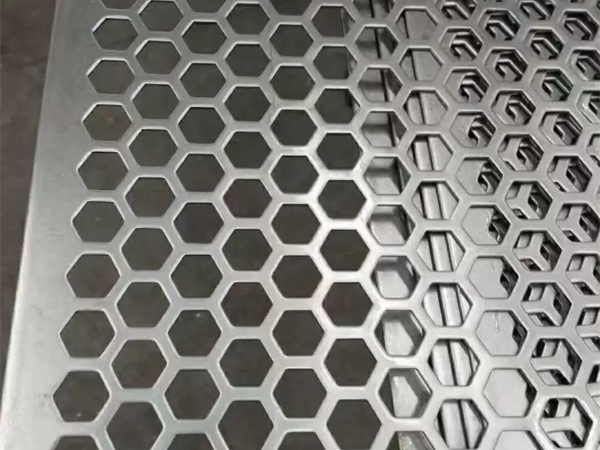
1. Visual Inspection: Visually inspect the appearance of the screen, such as the quality of the welds, the strength of the weld joints, and the flatness of the surface. This can quickly identify obvious defects, such as weld cracks, loose joints, and uneven surfaces.
2. Dimensional Measurement: Use measuring tools (such as tape measures and calipers) to measure the length, width, and aperture of the screen. For aperture measurement, visual measurement, caliper measurement, microscopic measurement, and image measurement methods can be used; the specific method chosen depends on the aperture size and accuracy requirements.
3. Material Analysis: Analyze the material composition, microstructure, and mechanical properties of the screen through chemical composition analysis and metallographic observation. This step usually requires specialized experimental equipment and techniques to ensure the accuracy and reliability of the test results.
4. Strength Testing: Conduct tensile, compressive, and bending strength tests on the screen to evaluate its load-bearing capacity and durability. These tests simulate the stress conditions of the screen during actual use, thereby evaluating whether its performance meets requirements.
5. Sieving Efficiency Test: Using standard particles or particle samples, sieving experiments are conducted on the screen. The sieving efficiency is calculated by measuring the mass or quantity of material passing through and not passing through the screen. Furthermore, chemical analysis can be used to further detect and analyze the material passing through the screen to understand the screen's sorting performance and accuracy.
6. Cleanliness Check: Ensure the screen surface is free of impurities. Cleanliness checks significantly impact the filtration effect and lifespan of the screen during use.
7. Touch Test: The quality of the vibrating screen is determined by touch. Generally, the simplest method is to run your hand over the screen; a smooth, non-prickly feel indicates higher quality. You can also bend the screen by hand. For screens of the same specifications, those with a stiffer texture are generally from smaller manufacturers; those with a softer texture and more rounded wire diameter are often from reputable manufacturers.
Through these methods, the quality of the screen can be comprehensively evaluated, ensuring its performance and lifespan during use.


Copyright ©
ANPING YING HANG YUAN METAL WIRE MESH CO., LTD. All Rights Reserved | Sitemap Technical Support: