sales@yhywiremesh.com
Whatsapp :+86 15027768227



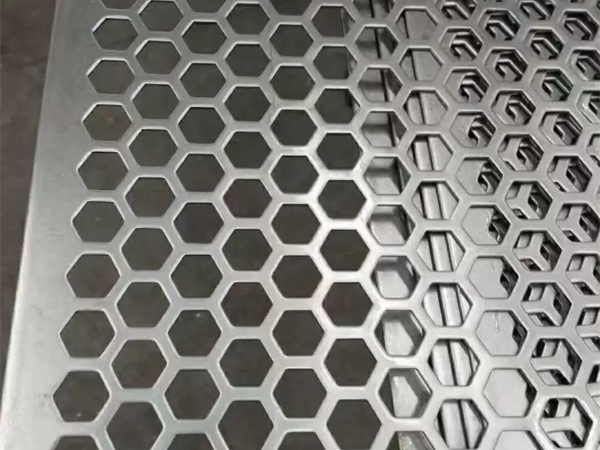
Customers often inquire about the flatness of the perforated sheets produced. So, what factors influence the flatness of the finished perforated sheet? Today, we'll explain:
1. Material: Different materials deform to varying degrees after stamping. Stainless steel deforms the most and is difficult to flatten. This is because stainless steel has a certain degree of toughness, making it difficult to achieve the same flatness as before stamping.
2. Hole Diameter and Spacing: Smaller holes and denser spacing result in poorer flatness. During CNC stamping, the punch and stainless steel sheet undergo a stamping process that essentially anneals the stainless steel, hardening it and making it harder to flatten.
3. Edge Margins: Larger edge margins affect flatness, especially with higher opening ratios, larger hole diameters, and larger margins on all four sides. Even after leveling, the perforated sheet will deform again during transportation and unloading. In summary, after perforated metal sheets (perforated plates, round hole mesh, sieve plates) are processed, they all need to be leveled. "Leveling" refers to using leveling machines or similar equipment to restore the CNC-punched perforated plate to its original flatness. Furthermore, the perforated plate is usually cleaned after leveling, during which lubricants are used to ensure a cleaner CNC-punched plate. In addition, to minimize errors during the perforated metal sheet manufacturing process, it is recommended to determine the processing method, mold type, and processing techniques before production to ensure better flatness of the stamped product. This will maximize the quality of the CNC-punched products.


Copyright ©
ANPING YING HANG YUAN METAL WIRE MESH CO., LTD. All Rights Reserved | Sitemap Technical Support: