sales@yhywiremesh.com
Whatsapp :+86 15027768227



A single steel wire and a pile of stones come together to form a gabion—a versatile element that plays various roles in the landscape, such as feature walls, sculptures, benches, tree planters, steps, and decorative accents.
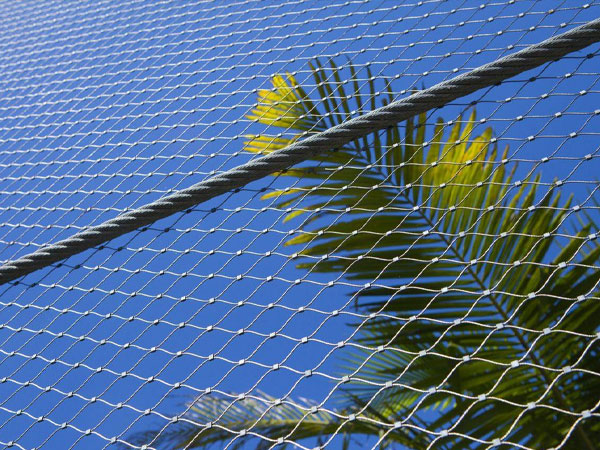
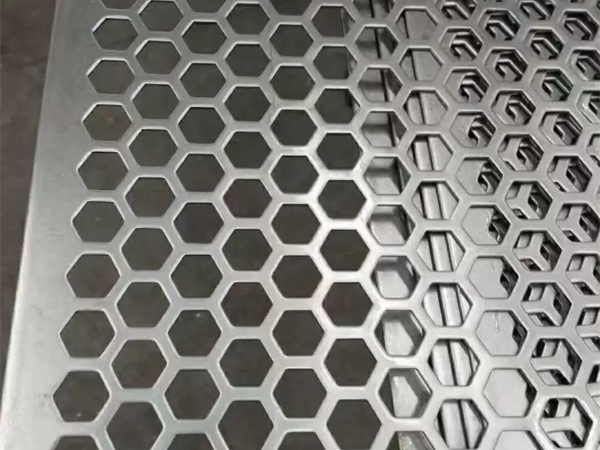
A gabion is essentially a metal cage or box filled with stones or other common earthen materials, frequently used for retaining walls or other outdoor partitions. These cages are typically constructed from stainless steel, galvanized steel, or powder-coated wire mesh panels, which are fastened together using spiral binders or ring fasteners to create a rectangular shape.
Gabion mesh is a structural engineering material, usually consisting of corrosion-resistant wire mesh or grid-like boxes filled with durable natural materials, such as stones or rock fragments.
This material and structural design offer excellent malleability; in landscape design, stones of various sizes and shapes can be used to create distinct features and forms. By applying creativity, designers can craft unique landscape elements—such as stone walls, seating, flowerbeds, water features, and sculptural shapes—while maintaining a natural aesthetic.
While gabions were originally used primarily for hydraulic engineering and slope stabilization, the creative fusion of traditional materials and innovative ideas has transformed them into striking features in architecture and landscaping.
The application of landscape gabion mesh represents an engineering solution that combines gabion technology with principles of environmental, cultural, and natural preservation. It integrates ecological elements into traditional gabion structures, allowing them to blend with the natural environment while promoting ecosystem restoration, protection, and improvement.
Here is some key information regarding landscape gabion mesh:
Vegetation: A significant feature of eco-friendly gabion mesh is the incorporation of vegetation—such as soil and plants—into the fill material. This helps improve the ecosystem, fosters plant growth, provides wildlife habitats, prevents erosion, and enhances air and water quality.
Ecological Terracing: Gabion mesh systems can be designed with a terraced structure to accommodate various plants, thereby improving soil quality and hydrological characteristics.
Fish Habitats: When installed near bodies of water, eco-friendly gabion mesh can enhance fish habitats by providing shelter and breeding grounds. Applications:
Shoreline Restoration: Eco-friendly gabions can be used to repair eroded or degraded riverbanks and lake shores while promoting the growth of shoreline vegetation.
Water Quality Improvement: Installing eco-friendly gabions around water bodies helps reduce pollution in rivers or lakes and improves water quality.
Ecological Restoration: Eco-friendly gabions can be used to restore degraded land and ecosystems, encouraging the return of plant life and wildlife.
In fact, the gabion concept can be adapted into variations such as "timber-filled gabions"—where waste wood is cut to fit the gabion dimensions and used as fill—yielding excellent results. Another variation is the "brick-filled gabion," where reclaimed bricks are arranged in a specific pattern inside the cage; this, too, often produces impressive results.


Copyright ©
ANPING YING HANG YUAN METAL WIRE MESH CO., LTD. All Rights Reserved | Sitemap Technical Support: