sales@yhywiremesh.com
Whatsapp :+86 15027768227



The key to determining whether a stainless steel cleaning basket is suitable for medical use lies in verifying its material compliance, structural safety, and sterilization compatibility. The medical field has extremely stringent standards for the cleanliness, corrosion resistance, and biocompatibility of instruments.
Materials and Certification: Must meet medical-grade material requirements.
316L or 304L stainless steel must be used. 316L (low-carbon, molybdenum-containing) has stronger corrosion resistance, especially against saline solution, blood, and chemical disinfectants, making it the preferred choice in the medical field. 304L (low-carbon) is a basic requirement. The use of non-medical-grade stainless steel such as 201 and 202 is strictly prohibited, as these materials are highly susceptible to rusting in disinfectant solutions, releasing heavy metal ions that contaminate instruments.
Certification Marks: Legitimate medical-grade cleaning baskets should possess a medical device registration certificate/filing certificate (check the "械字号" on the packaging or label), or comply with ISO 13485 (Medical Device Quality Management System) certification. "Industrial" or "household" cleaning baskets without relevant certifications must never be used in medical settings.
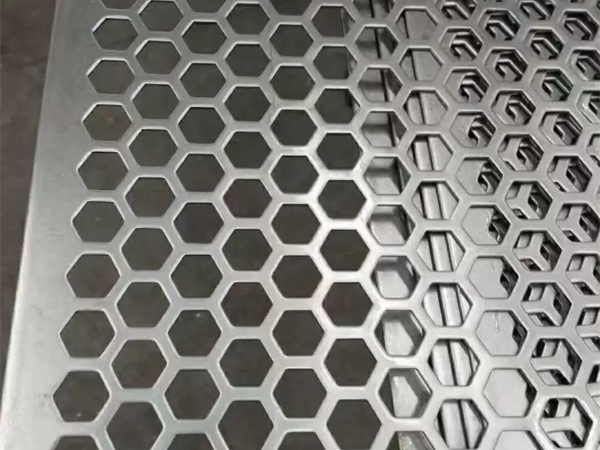
Physical Structure: Ensuring Instrument Safety and Cleaning Effectiveness. Mesh Design: The mesh size must be moderate (typically 6.5mm x 6.5mm or smaller) to ensure sufficient water and steam penetration while preventing small surgical instruments (such as needles and forceps) from falling or getting stuck. Edge Treatment: All edges must be rounded and polished, smooth and burr-free. Sharp edges can scratch expensive precision instruments (such as endoscope lenses) or even tear the operator's gloves, creating occupational exposure risks. Structural Strength: The basket should be robust enough to withstand repeated cycles of high-temperature, high-pressure sterilization (typically requiring resistance to temperatures above 135°C) without deformation or weld failure.
Sterilization Compatibility: Resistant to Repeated Sterilization. Medical cleaning baskets require frequent high-temperature, high-pressure steam sterilization (134°C) or low-temperature plasma sterilization. When assessing performance, the following must be confirmed: High Temperature Resistance: The material must not release harmful gases or deform at high temperatures. Clear Labeling: The basket should have clear color-coded labels (e.g., blue for general instruments, green for ophthalmic instruments) for easy identification and management, preventing cross-contamination.
If you have a cleaning basket and want to determine if it's usable, you can perform the following simple tests: Saline Immersion Test: Immerse the basket in a 3% saline solution for 24 hours. If rust spots, discoloration, or coating peeling appear on the surface, it is definitely unacceptable. White Gauze Test: Vigorously wipe the inside of the basket with a clean white gauze. If black or gray stains appear on the gauze, it indicates impurities or coating peeling, making it unsuitable for contact with medical devices. Touch Inspection: Touch all the inner walls and mesh openings. If there is any roughness or roughness, it indicates poor polishing, which may catch fibers or damage instruments.


Copyright ©
ANPING YING HANG YUAN METAL WIRE MESH CO., LTD. All Rights Reserved | Sitemap Technical Support: